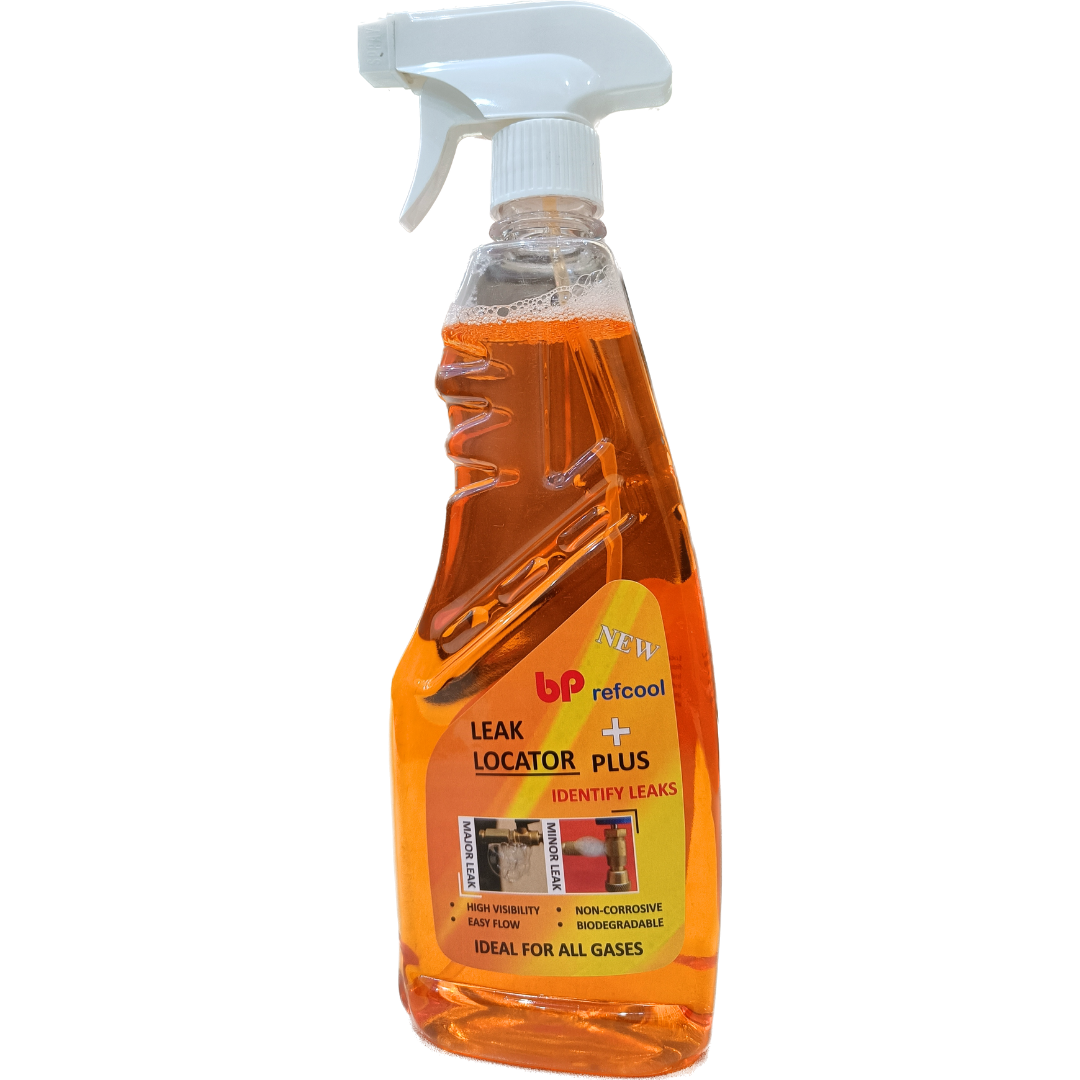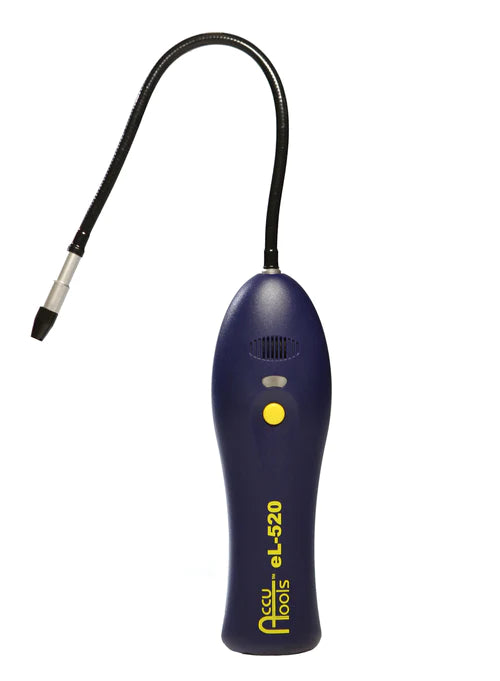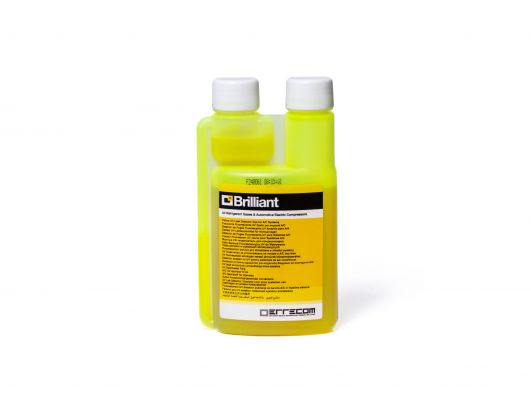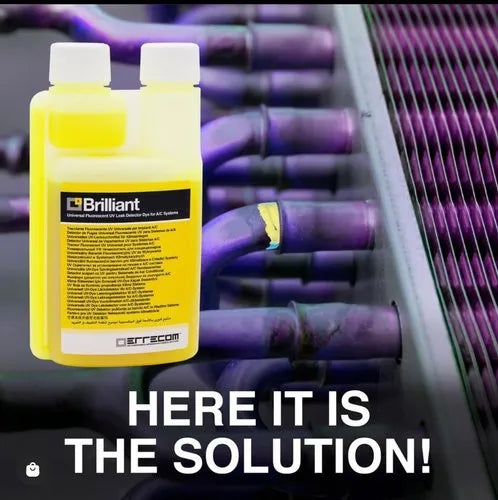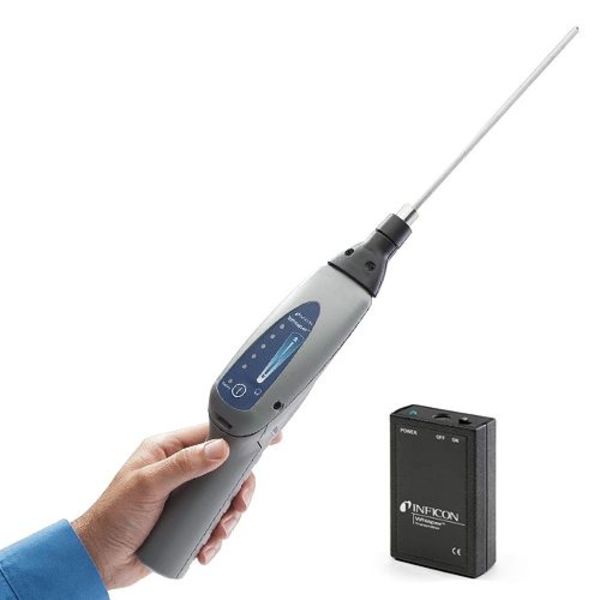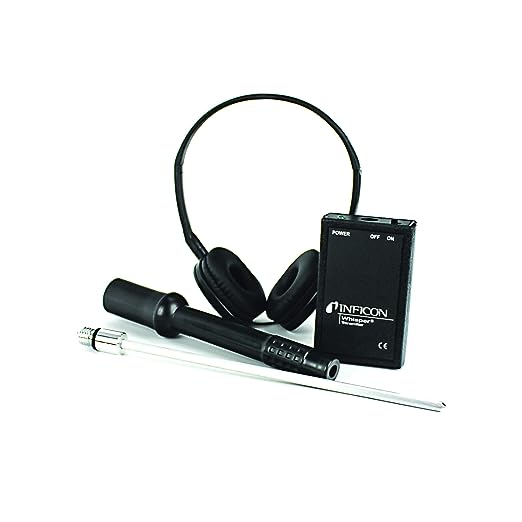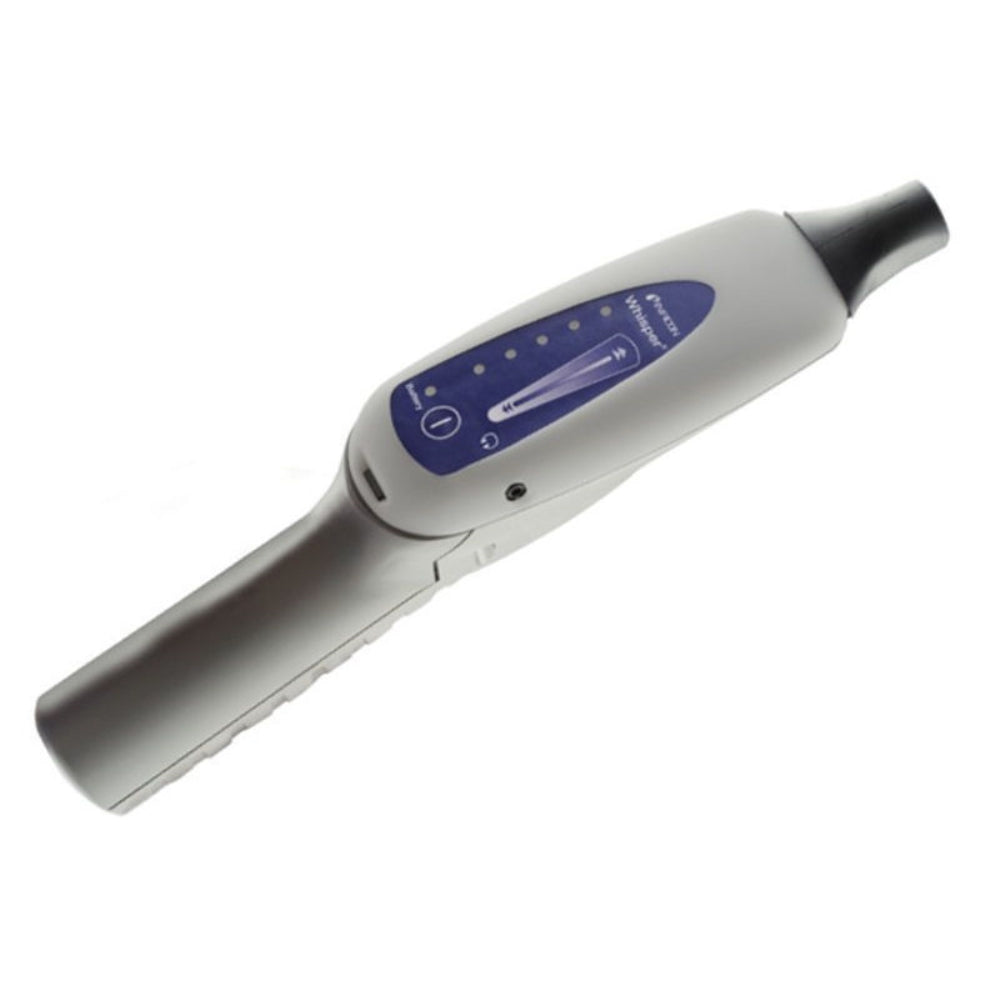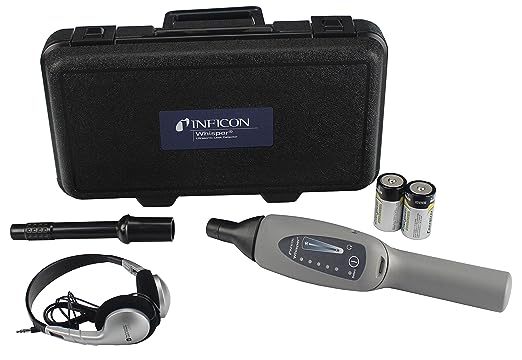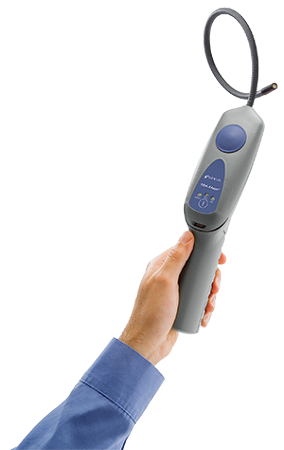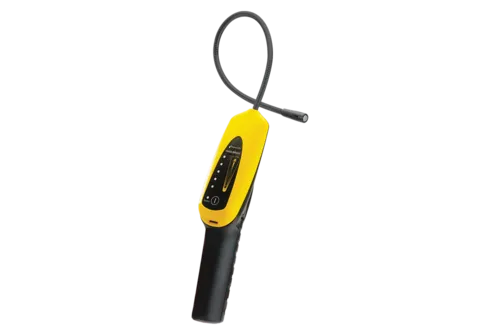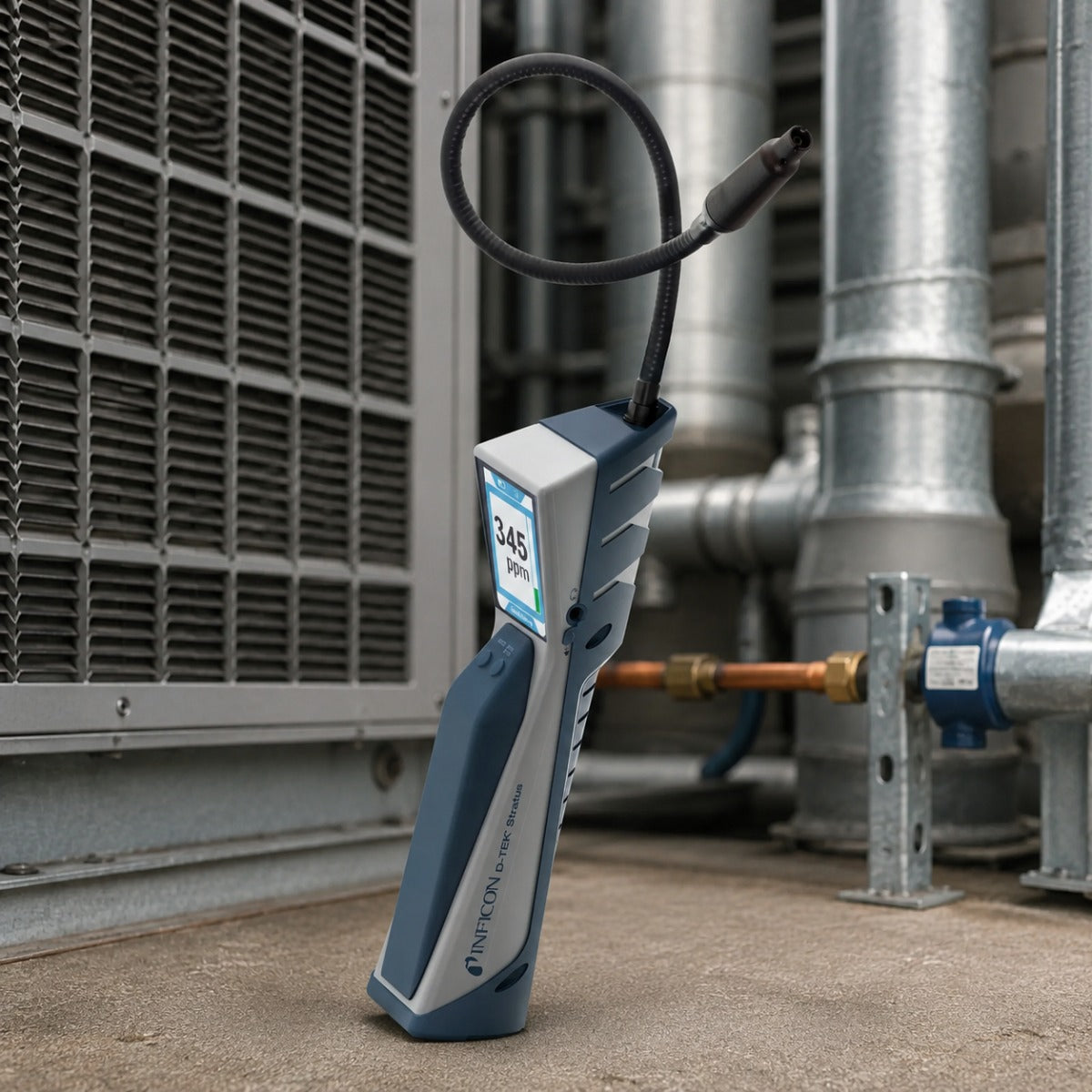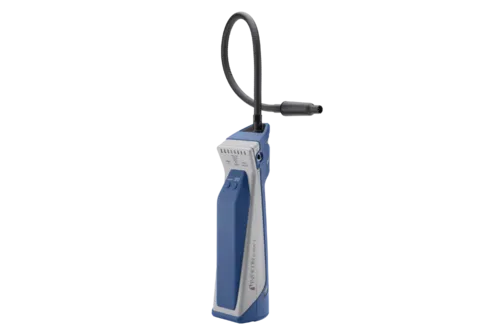
 A refrigerant leak detector is one of the most essential diagnostic tools for HVAC and refrigeration professionals. Whether you're servicing residential air conditioners, commercial refrigeration systems, heat pumps, or industrial cooling equipment, identifying refrigerant leaks quickly helps reduce repair costs, improve system efficiency, and ensure environmental compliance. At BP Refcool, we offer a comprehensive selection of HVAC leak detector solutions designed for technicians who demand accuracy, reliability, and ease of use. Our collection includes advanced portable gas leak detector, ultrasonic leak detector, vacuum leak detector, and compressed air leak detector models suitable for a wide range of maintenance applications. From routine inspections to complex industrial troubleshooting, our leak detection equipment helps professionals locate even the smallest leaks with confidence. Whether you're searching for the best refrigerant leak detector or premium gas leak detection equipment, BP Refcool provides trusted solutions from leading global brands.
What Is a Refrigerant Leak Detector?
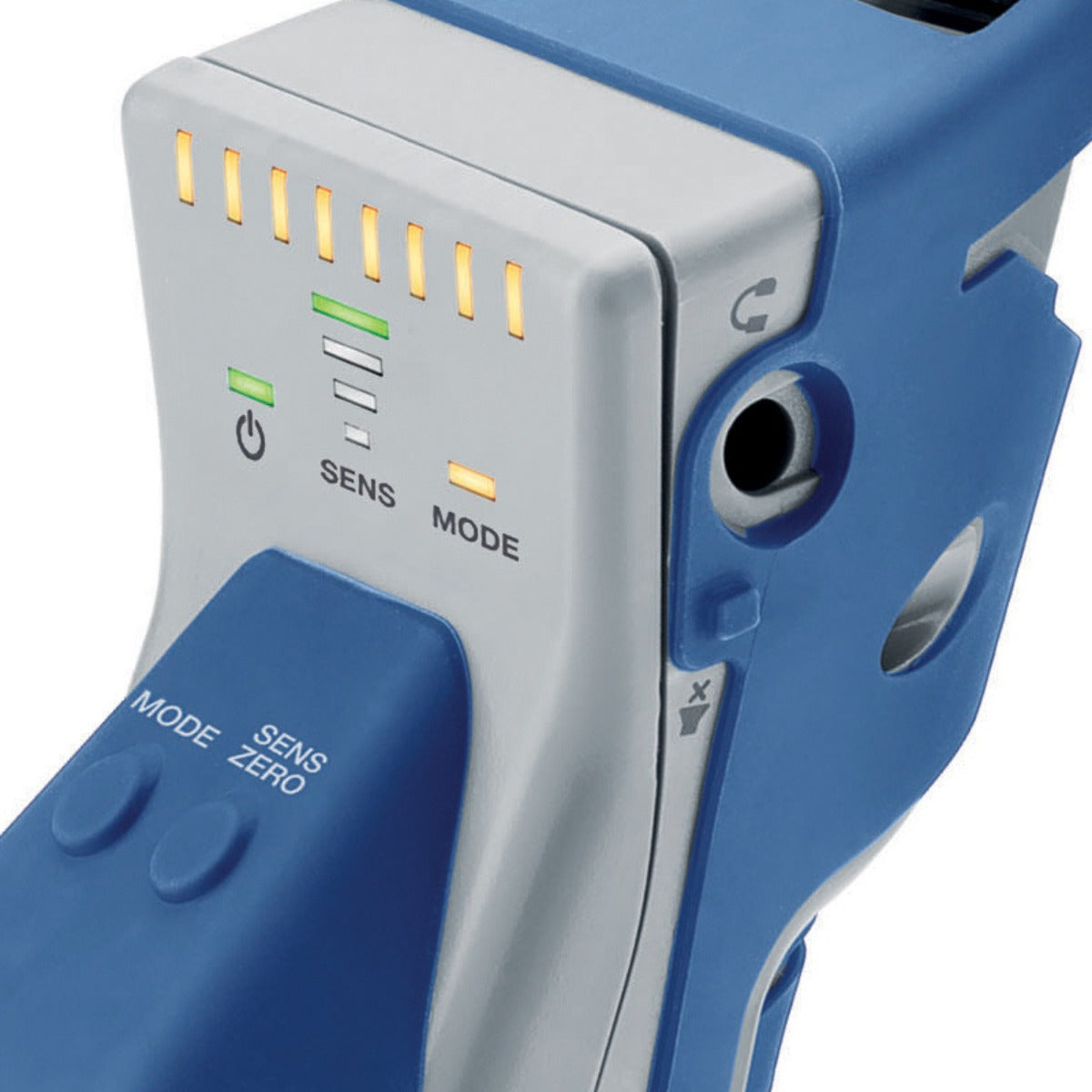
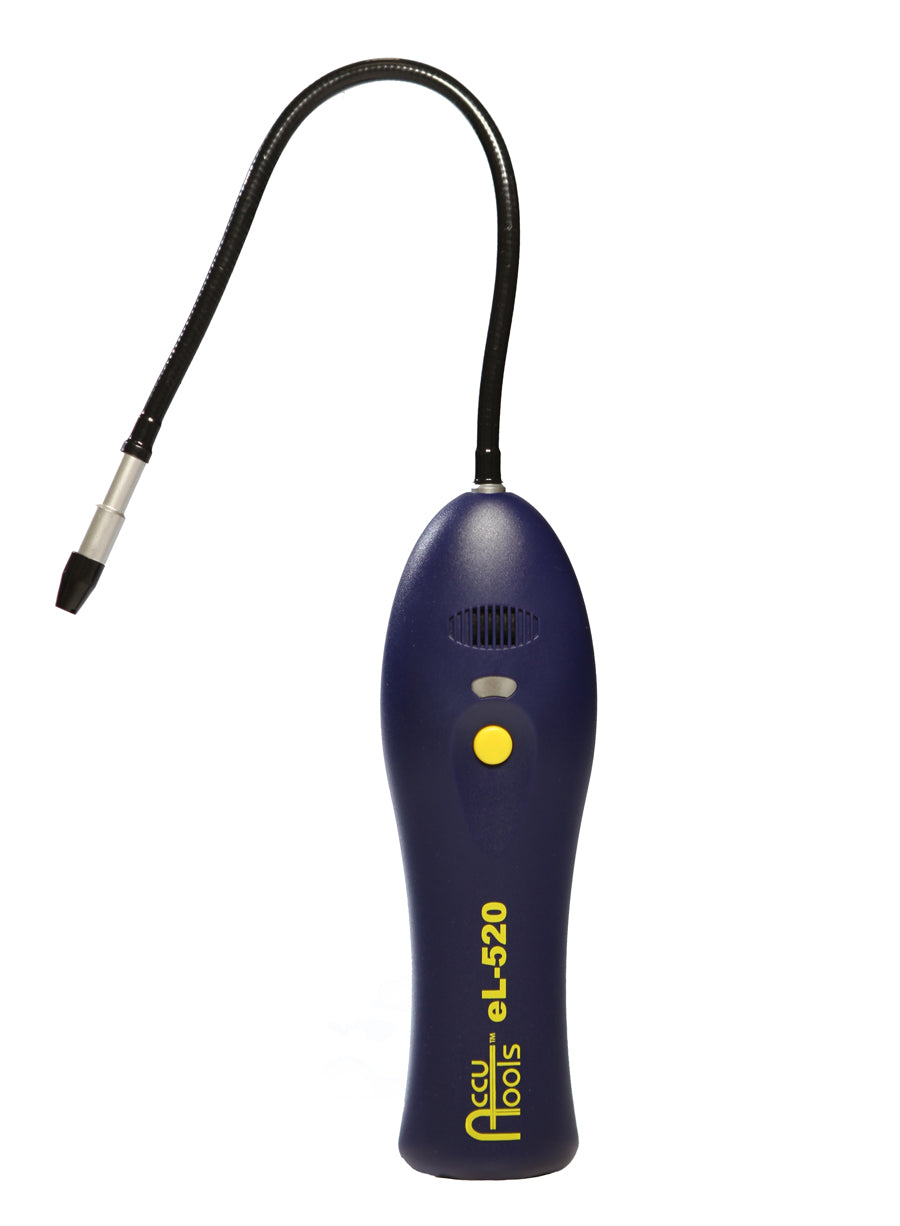
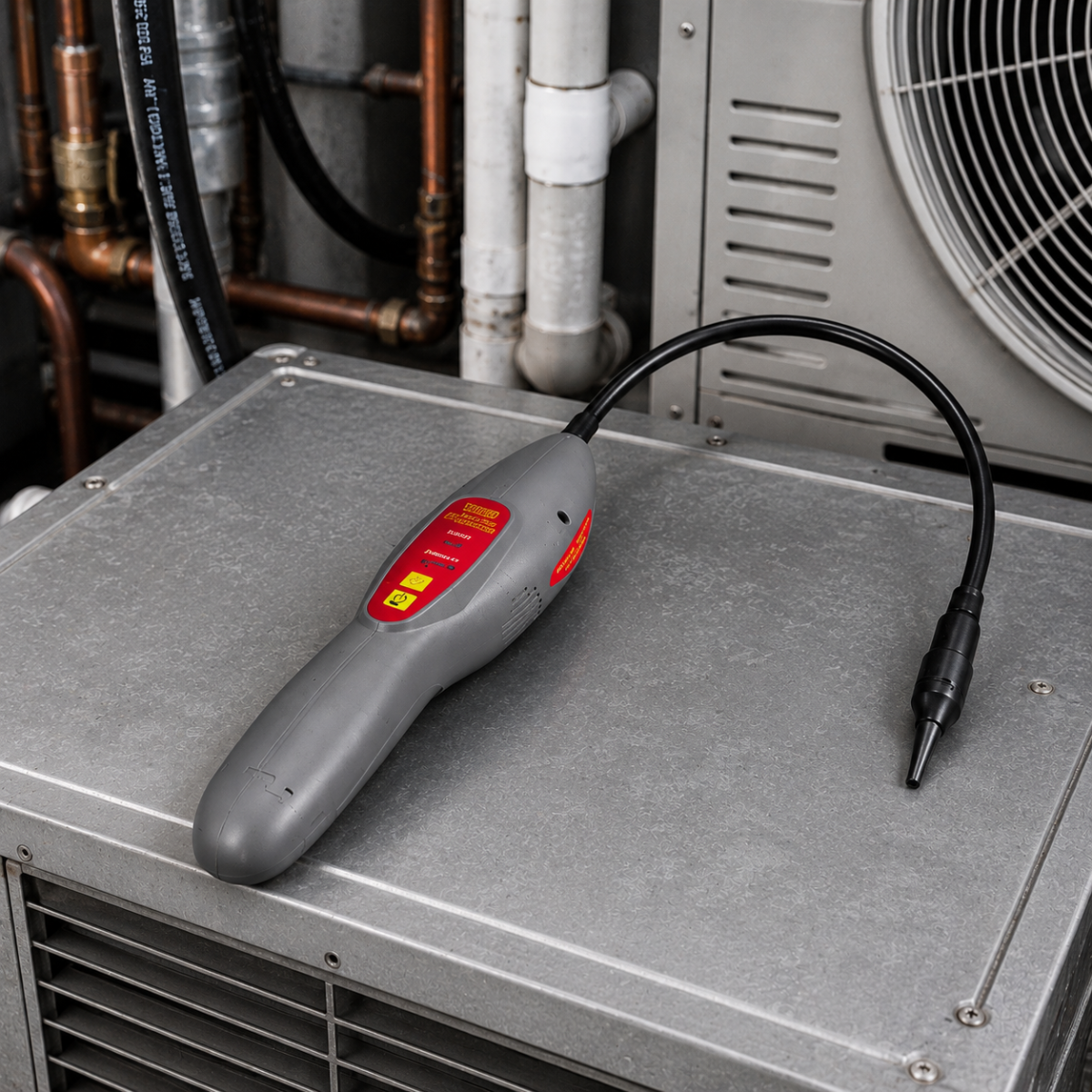
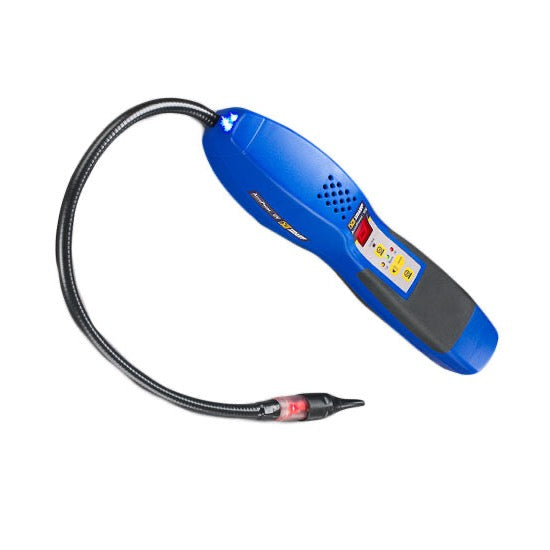
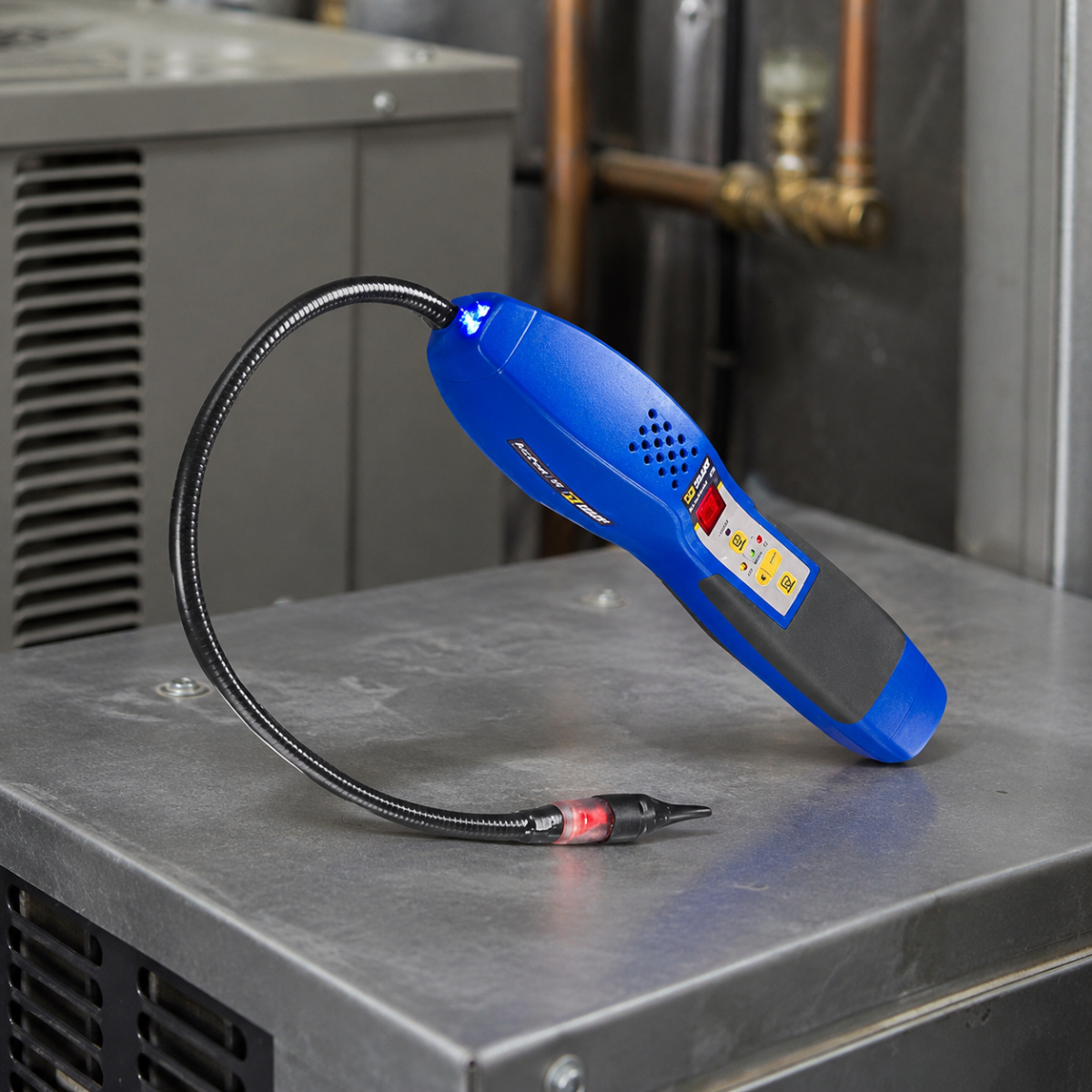
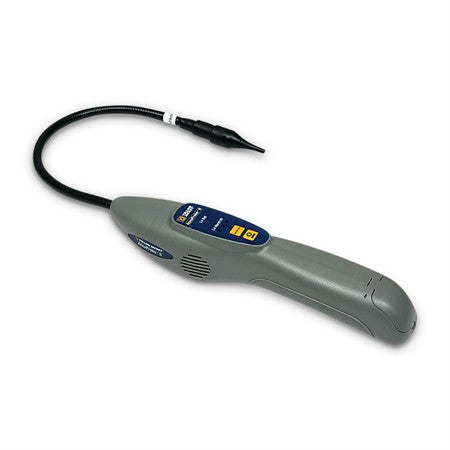
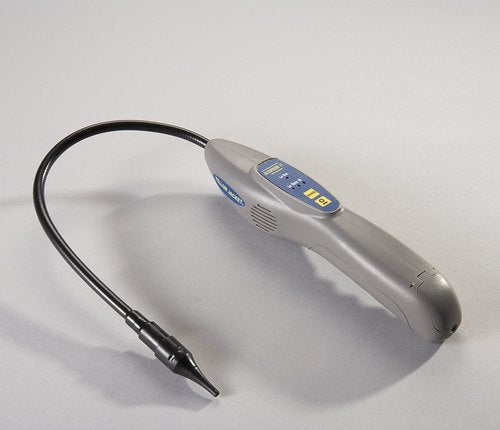
A refrigerant leak detector is a specialized device used to identify refrigerant leaks in HVAC and refrigeration systems before they lead to performance issues or refrigerant loss. Modern electronic detectors can detect extremely small concentrations of refrigerant gases, allowing technicians to pinpoint leaks accurately without unnecessary system dismantling. These devices are compatible with many common refrigerants, including R134a, R404A, R410A, R32, R22, R1234yf, and other widely used gases. Many professional models also feature adjustable sensitivity, audible alarms, visual indicators, and flexible probes for accessing difficult locations. Having a high-quality HVAC leak detector improves service efficiency and also increases the lifespan of the equipment.
Why Accurate Leak Detection Matters
Even a minor refrigerant leak can significantly reduce cooling performance, increase electricity consumption, and shorten compressor life. Undetected, leaks may eventually lead to complete system failure and expensive repairs. Accurate leak detection also helps businesses comply with environmental regulations by minimizing refrigerant emissions into the atmosphere.
Using professional gas leak detection equipment allows technicians to detect leaks faster, reducing diagnostic time and improving first-time fix rates. Reliable leak detection also prevents unnecessary refrigerant replacement, lowering maintenance costs for both contractors and end users. Whether servicing split AC systems, VRF units, cold rooms, refrigeration plants, or commercial chillers, precise leak detection is an essential part of preventive maintenance and long-term system reliability.
Types of Products Available
Electronic Leak Detector
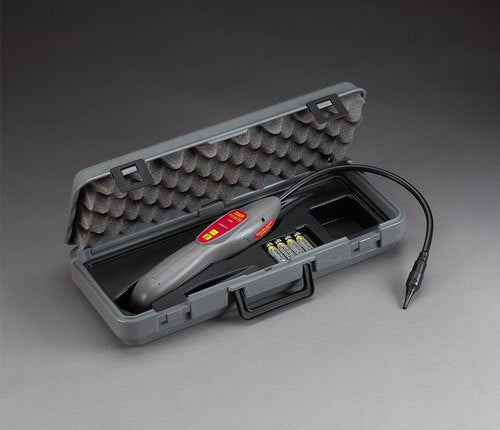
Electronic refrigerant leak detectors are the most popular choice among HVAC professionals. They use advanced heated diode, infrared, or semiconductor sensing technologies to detect extremely small refrigerant leaks with high sensitivity. Many professional models include adjustable sensitivity levels, automatic calibration, rechargeable batteries, and flexible probes for hard-to-reach areas.
Portable Gas Leak Detector
A portable gas leak detector offers convenience for field technicians working across multiple service locations. Lightweight and battery-operated, these detectors are ideal for residential HVAC maintenance, refrigeration service, supermarket refrigeration, and commercial air conditioning inspections. Their compact design allows quick leak checks without bulky equipment.
Ultrasonic Leak Detector
An ultrasonic leak detector identifies leaks by detecting high-frequency sound waves produced by escaping gases or compressed air. Unlike traditional refrigerant detectors, ultrasonic models can locate leaks in noisy industrial environments and work even when the leaking gas itself cannot be sensed electronically. These detectors are commonly used for compressed air systems, vacuum systems, steam lines, and industrial gas applications.
Vacuum Leak Detector
A vacuum leak detector is designed to identify leaks during vacuum testing and evacuation procedures. It helps HVAC technicians confirm system integrity before refrigerant charging, ensuring proper evacuation and preventing future performance issues. Vacuum leak testing is particularly important during new system installations and major repairs.
Compressed Air Leak Detector
A compressed air leak detector helps identify air leaks in manufacturing plants, industrial pneumatic systems, and production facilities. Detecting compressed air leaks reduces unnecessary energy consumption, lowers operating costs, and improves overall equipment efficiency. These detectors are widely used in maintenance programs focused on energy savings and preventive maintenance.
Common Applications
Professional leak detector equipment is widely used across vaious HVAC and industrial applications, including:
-
Residential air conditioning systems
-
Commercial HVAC maintenance
-
Cold rooms and refrigeration plants
-
Supermarket refrigeration
-
VRF and VRV systems
-
Heat pumps
-
Automotive air conditioning
-
Industrial refrigeration
-
Pharmaceutical cold storage
-
Food processing facilities
-
Compressed air systems
-
Vacuum system testing
-
Manufacturing plants
These applications require fast, reliable, and highly sensitive leak detection to maintain efficiency and reduce downtime.
How to Choose the Right Product
Selecting the right refrigerant leak detector depends on your application, refrigerant type, working environment, and service frequency. For everyday HVAC maintenance, electronic leak detectors provide excellent sensitivity and versatility. Technicians servicing multiple customer locations often prefer lightweight portable gas leak detectors for convenience.
Industrial users working with pneumatic systems should consider an ultrasonic leak detector or compressed air leak detector for non-contact leak detection. If system evacuation and vacuum integrity are critical, a dedicated vacuum leak detector is the better choice. Additional features such as rechargeable batteries, adjustable sensitivity, long probe length, fast response time, automatic calibration, and compatibility with multiple refrigerants can further improve productivity and accuracy.
Why Buy from BP Refcool?
BP Refcool supplies high-quality HVAC diagnostic equipment trusted by technicians, contractors, and industrial maintenance professionals across India. We offer premium leak detection solutions from globally recognized brands, ensuring reliable performance, high accuracy, and long service life. Our extensive product range includes advanced refrigerant leak detectors, ultrasonic detectors, vacuum testing equipment, and complete HVAC service tools. Combined with expert technical support, genuine products, competitive pricing, and fast delivery, BP Refcool helps professionals complete every job with confidence.
Frequently Asked Questions
1. What is the best refrigerant leak detector?
The best refrigerant leak detector depends on your application. Professional electronic and infrared detectors generally provide the highest sensitivity and accuracy for HVAC service.
2. Can one leak detector detect multiple refrigerants?
Yes. Most modern refrigerant leak detectors are compatible with multiple refrigerants, including R410A, R32, R134a, R404A, R22, and many others.
3. What is the difference between an electronic and ultrasonic leak detector?
Electronic detectors identify refrigerant gases directly, while ultrasonic detectors detect the sound created by escaping gas or compressed air.
4. Why is refrigerant leak detection important?
Leak detection prevents refrigerant loss, improves system efficiency, reduces repair costs, protects compressors, and supports environmental compliance.
5. Can a portable gas leak detector be used outdoors?
Yes. Many portable gas leak detectors are designed for both indoor and outdoor inspections, making them suitable for field service applications.
6. How often should HVAC systems be checked for leaks?
Commercial systems should be inspected regularly as part of preventive maintenance, while residential systems should be checked whenever cooling performance decreases or refrigerant loss is suspected.